Trail Running vs Hiking Shoes: Which should you choose?
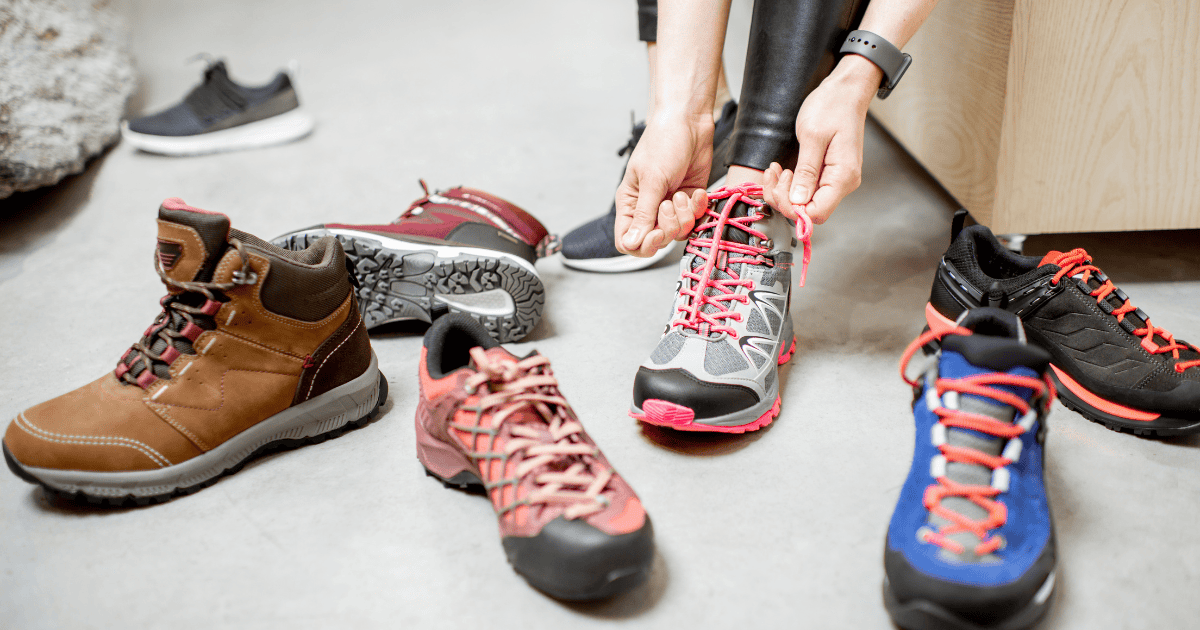
Whether you’re tackling mountain paths or cruising through forest trails, your shoe choice matters more than you think!
I’ve been there—standing in an outdoor store, completely overwhelmed by walls of boots and shoes, wondering if I really need those heavy hiking boots or if lightweight trail runners would do the trick. Here’s the truth: the battle between trail running vs hiking shoes isn’t about which is “better”—it’s about which is better for you.
Your feet are your most valuable asset on the trail, and choosing between trail running and hiking shoes can make or break your outdoor experience. In this comprehensive guide, I’ll break down everything you need to know about both types of footwear, from ankle support and traction patterns to weight distribution and terrain suitability. By the end, you’ll know exactly which shoe belongs on your feet for your next adventure!
Understanding the Core Differences Between Trail Running vs Hiking Shoes
Look, I’ll be honest with you—I used to think all trail footwear was basically the same. Just slap some grippy rubber on the bottom and call it a day, right? Wrong.
The biggest difference between trail running shoes and hiking shoes really comes down to what they’re designed to do. Trail runners are built for speed and agility—they typically weigh between 8 to 12 ounces per shoe, which is crazy light when you think about it. Hiking shoes, on the other hand, can tip the scales at 1 to 3 pounds. That extra weight isn’t just there for fun though. It comes from beefier construction, more durable materials, and added protection features.
Here’s what really separates these two types of outdoor footwear:
Construction and Materials:
- Trail runners use lightweight mesh and synthetic materials that prioritize breathability
- Hiking shoes often feature leather or heavy-duty synthetic fabrics that focus on durability
- The midsole cushioning in trail runners is usually softer and more responsive
- Hiking footwear tends to have stiffer midsoles for better load-bearing support
Break-in Time: This was a game-changer for me. When I bought my first pair of trail running shoes, I literally wore them out of the store and went for a run that afternoon. No blisters, no hot spots, nothing. Compare that to hiking shoes which might need several shorter hikes before they’re comfortable enough for a full day on the trail.
The price point differences are worth mentioning too. You can find decent trail runners starting around $100, while quality hiking shoes often start closer to $130 or $140. But here’s the thing—trail runners typically last 300 to 500 miles before the cushioning breaks down, while hiking shoes can push 800 to 1,000 kms if you take care of them properly.
Ankle Support and Stability: What Your Feet Really Need
I’m going to share something that might surprise you—I used to be one of those people who swore by high-top hiking boots because I thought my ankles needed all the support they could get. Then I twisted my ankle in those same “supportive” boots, and it made me rethink everything I thought I knew about ankle support.
The truth is, ankle support is way more nuanced than just “more is better.” Trail running shoes are almost always low-cut designs that sit below the ankle bone. Hiking shoes come in low-cut, mid-cut, and high-cut versions. Each design affects how your foot and ankle move on the trail, and honestly, what works for me might not work for you.
Here’s what I’ve learned about different support levels:
Low-Cut Designs (Most Trail Runners):
- Allow maximum freedom of movement and natural ankle motion
- Enhance proprioception, which is basically your body’s ability to sense where your foot is in space
- Force your ankle muscles to work harder, which actually strengthens them over time
- Better for well-maintained trails and lighter pack weights
Mid to High-Cut Designs (Traditional Hiking Shoes):
- Provide lateral stability on uneven terrain
- Help when you’re carrying a heavy backpack (think 30+ pounds)
- Can prevent ankle rolls on technical trails with loose rocks
The science behind ankle injury prevention is pretty interesting. A study I came across showed that people with a history of ankle sprains often benefit from extra support, but healthy ankles actually get stronger when they work without restriction. It’s like the difference between using a weight belt at the gym—sometimes you need it, but if you use it all the time, your core never gets stronger.
The real question isn’t “which is better?” It’s “what does my body need for this specific hike?” If you’ve got weak ankles or you’re recovering from an injury, that extra support might be worth the trade-off in mobility. But if your ankles are healthy and you’re not hauling a massive load, you might be surprised how good freedom of movement feels.
Traction and Outsole Technology: Gripping Different Terrains
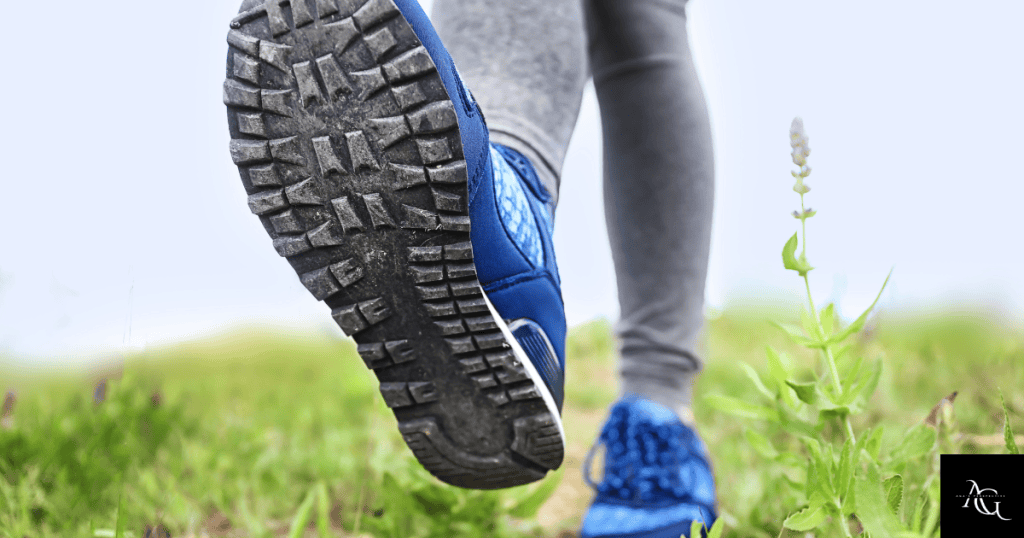
The outsole is where trail running shoes and hiking shoes show some of their biggest differences, and it’s all about what kind of terrain you’re tackling. Trail runners typically have lower-profile lugs (those little rubber knobs on the bottom) that range from 3mm to 5mm deep. Hiking shoes? They’re usually rocking 5mm to 7mm lugs, sometimes even deeper for aggressive tread patterns.
Here’s why lug depth matters:
Shallow Lugs (Trail Runners):
- Better for hard-packed dirt and rocky trails
- Provide multidirectional traction for quick direction changes
- Less likely to collect mud and debris
- Wear down faster but feel more nimble
Deep Lugs (Hiking Shoes):
- Dig into soft terrain like mud, loose dirt, and snow
- Provide better braking power on steep descents
- Last longer before wearing smooth
- Can feel clunky on flat, hard surfaces
The rubber compound is just as important as the lug pattern, maybe even more so. Most quality trail footwear uses either Vibram or Continental rubber, and there’s actually different formulas for different conditions. Sticky rubber grips amazingly well on dry rock—I’ve literally stood on 45-degree granite slabs in shoes with sticky rubber. But that soft compound wears out quicker than harder rubber formulations.
Wet weather performance is where things get tricky. I’ve tested probably a dozen different shoes in muddy conditions, and here’s what I’ve found—no outsole works great in thick, clay-based mud. It’s just the reality of hiking. But some handle it better than others. Deep, widely-spaced lugs shed mud more effectively than tight patterns. And if you’re dealing with wet roots or slick rock, you want that softer, stickier rubber compound even though it won’t last as long.
Stream crossings are another beast entirely. I usually just accept that my feet are getting wet and focus on shoes with good drainage rather than trying to stay dry. The traction when you’re stepping on wet, algae-covered rocks is honestly pretty sketchy no matter what you’re wearing.
Cushioning and Comfort: Finding Your Perfect Ride
Okay, so cushioning is one of those things I completely underestimated when I first started getting serious about trail footwear.
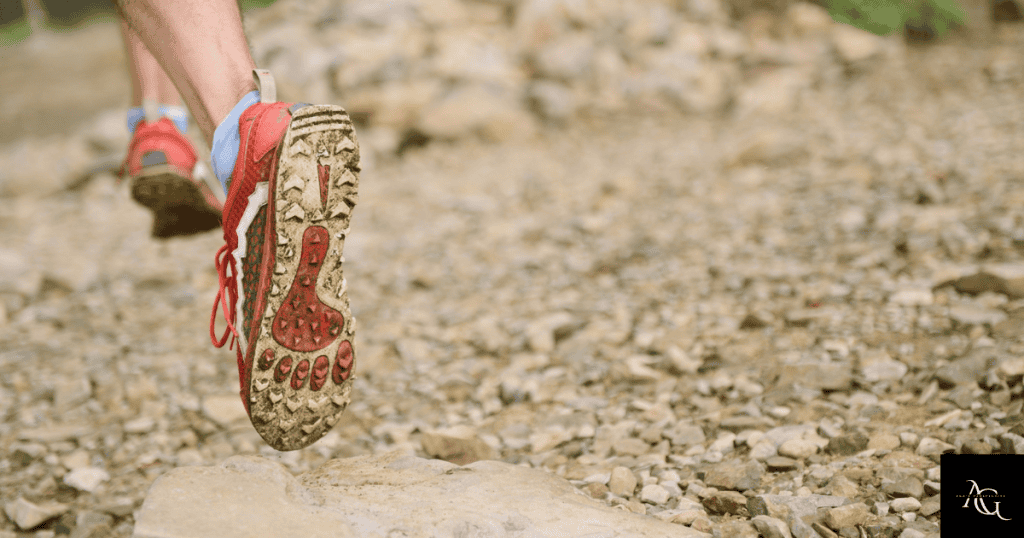
The midsole is where all the magic happens with cushioning. Most shoes use EVA foam, which is lightweight and bouncy, or polyurethane, which is heavier but lasts way longer. Trail running shoes usually pack in softer, more responsive foam that compresses and rebounds quickly. Hiking shoes tend to use firmer, denser foam that doesn’t bottom out when you’re carrying weight or hiking all day.
Stack height is basically how much material sits between your foot and the ground. I’ve seen trail runners with anywhere from 20mm to 35mm of stack height, while hiking shoes are usually in the 25mm to 30mm range. Here’s the thing though—more cushioning means you’re sitting higher off the ground, which can affect your stability on technical terrain.
What I’ve learned about cushioning choices:
High Cushioning (Maximalist Shoes):
- Amazing for long distances on well-maintained trails
- Reduces impact on your joints, especially knees
- Can feel disconnected from the trail on technical sections
- Better if you’re a heavier person or have joint issues
Moderate Cushioning (Most Popular):
- Balances protection with ground feel
- Works for most trail conditions
- Doesn’t sacrifice too much stability
- My personal go-to for mixed terrain
Minimal Cushioning:
- Maximum trail connection and proprioception
- Requires stronger feet and lower legs
- Not ideal if you’re carrying a heavy pack
- Takes time to adapt if you’re used to more cushioning
Rock plates are another feature worth talking about. These are thin, stiff layers built into the midsole to protect your feet from sharp rocks and roots. I didn’t think I needed one until I bruised the bottom of my foot on a pointy rock during a trail run. Now I make sure my shoes for rocky terrain have some kind of rock plate protection, whether it’s a full TPU shank or just a reinforced section under the forefoot.
Underfoot sensitivity is a real trade-off. When I wear highly cushioned shoes, I feel like I’m floating over the trail but I can’t really feel what’s underneath me. With less cushioning, every root and rock telegraphs through the sole, which helps me adjust my footing but can get uncomfortable on long days. It really depends on what your body needs and what kind of trails you’re hiking.
Comfort over distance is where cushioning really proves itself. I’ve noticed that my feet feel fresher at mile 10 in well-cushioned trail runners compared to minimal shoes. But my ankles and stabilizer muscles work harder in those minimal shoes, which has its own benefits for building strength.
Weight and Agility: How Ounces Affect Your Performance
Here’s something that blew my mind when I first read about it—for every pound of weight on your feet, it’s like carrying five pounds on your back in terms of energy expenditure. I know that sounds made up, but it’s actually backed by research, and once I experienced it myself, I became a total weight weenie about my footwear.
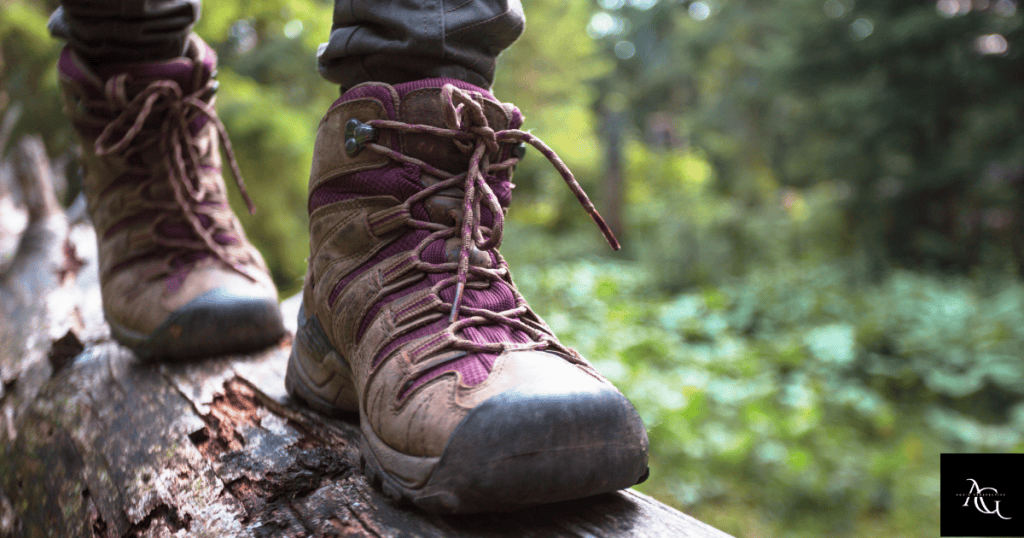
Trail running shoes typically weigh between 8 to 12 ounces per shoe, while hiking shoes usually clock in around 16 to 24 ounces.
Here’s what lighter footwear gets you:
Speed and Efficiency:
- Faster pace on flat and moderate terrain
- Less leg fatigue over long distances
- Quicker recovery between hikes
- Better for fastpacking or covering big mileage
Energy Conservation:
- Studies show lighter shoes can improve efficiency by 3-5%
- Less quad and calf strain on uphills
- Your cardiovascular system doesn’t have to work as hard
But—and this is important—lighter isn’t always better for every situation. I learned this when I tried wearing ultralight trail runners on a three-day backpacking trip with a 40-pound pack. My feet were trashed by the end of day one because the shoes just didn’t have enough support or protection for that kind of load.
The extra weight in hiking shoes comes from beefier materials, more protective features, and sturdier construction. That weight serves a purpose when you need stability, durability, or protection from rough terrain. It’s a trade-off, not a flaw.
The agility factor is real too. Lighter shoes let you move more naturally, change direction quickly, and navigate technical sections with better footwork. When I’m scrambling over rocks or hopping across a creek, I definitely prefer the nimbleness of trail runners over clunkier hiking shoes.
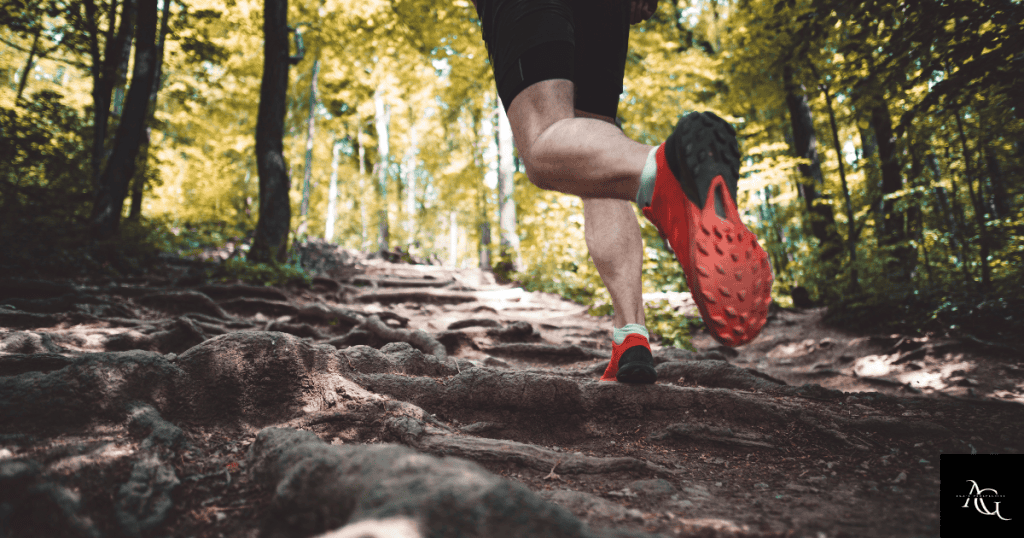
Durability and Longevity: Getting the Most Miles from Your Investment
Let me tell you about my biggest footwear mistake ever. I bought a pair of budget trail runners for $65, thinking I was being smart with my money. They lasted exactly 180 km before the upper material started separating from the sole and the cushioning was completely shot. When I did the math, I was paying way more per mile than if I’d just bought quality shoes in the first place.
The lifespan difference between trail running shoes and hiking shoes is pretty significant, and it’s something you need to factor into your buying decision. Most trail runners give you somewhere between 300 to 500 kms before the midsole foam breaks down and loses its cushioning properties. Hiking shoes? I’ve gotten 600 to 1,000 kms out of well-made pairs, sometimes even more if I rotate them with other shoes.
Construction quality makes all the difference. Hiking shoes typically have reinforced stitching at stress points, protective rand material around the toe and heel, and thicker materials throughout. Trail runners sacrifice some of that bombproof construction for weight savings and flexibility. It’s not that trail runners are poorly made—they’re just designed with a different priority.
What affects durability the most:
Upper Material:
- Mesh is lightweight and breathable but tears easier on sharp rocks
- Leather and synthetic leather last way longer but add weight
- Reinforced toe caps prevent blowouts (learned this one the hard way)
- Abrasion-resistant overlays extend life in high-wear areas
Sole Construction:
- Glued soles can separate after repeated wet/dry cycles
- Stitched construction is more durable but rarely seen anymore
- The outsole rubber wears down faster on pavement than trails
- Exposed midsole foam (common on trail runners) breaks down quicker
I’ve had sole separation issues on three different pairs of shoes over the years, and it’s always frustrating. Usually it starts at the toe box where there’s the most flexing and stress. Once you see that gap forming between the upper and the sole, the shoe’s days are numbered. Some people try to glue them back together with shoe repair adhesive, and honestly, it can work as a temporary fix.
One more thing—taking care of your shoes extends their life significantly. I clean mine after muddy hikes, let them dry naturally (never in direct heat), and I rotate between two pairs when possible. That rotation thing really works because it gives the midsole foam time to fully decompress and recover between uses.
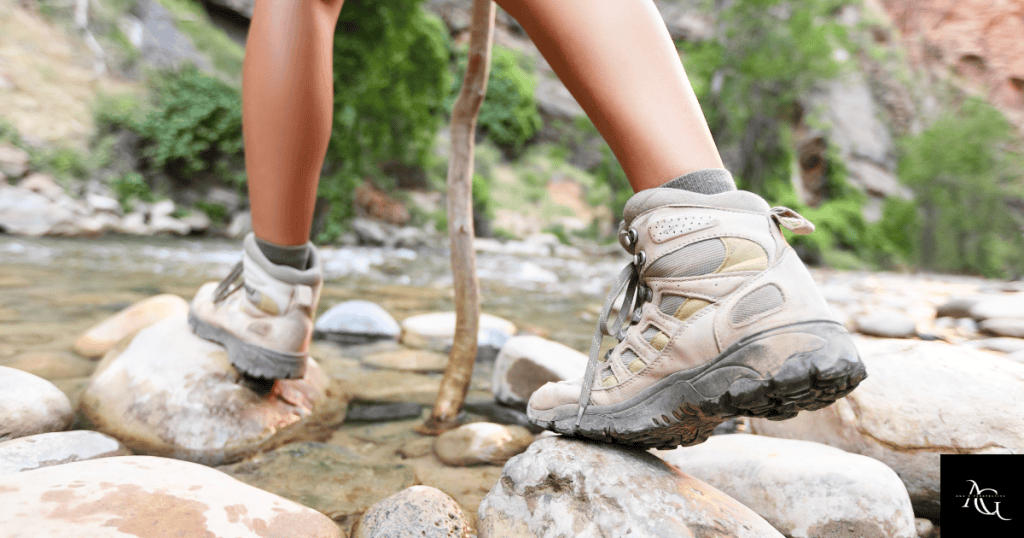
Waterproofing and Breathability: Managing Moisture on the Trail
I used to think waterproof shoes were the obvious choice for every hike. I mean, who wants wet feet, right? Then I hiked across a creek in my Gore-Tex trail runners on a hot summer day, and my feet stayed wet and gross for the next 8 kilometers. That’s when I realized waterproofing is actually way more complicated than I thought.
The waterproof membrane technology in shoes—whether it’s Gore-Tex, eVent, or some proprietary system—works by blocking water from getting in while supposedly letting sweat vapor escape. In theory, it’s brilliant. In practice? It depends on a lot of factors like temperature, humidity, and how much you’re sweating.
Here’s the thing nobody tells you about waterproof trail footwear—once water gets inside (and it will eventually), it can’t get back out easily. I’ve had waterproof hiking shoes that took two full days to dry after a stream crossing. Non-waterproof trail runners with mesh uppers? They’re usually dry within a few hours, sometimes even while I’m still hiking.
The breathability trade-off is real:
Waterproof Shoes:
- Keep feet dry in light rain and dewy morning grass
- Terrible for hot weather hiking—your feet basically cook
- Water that gets in (over the top or through worn areas) gets trapped
- Add 50 to 100 grams of weight per shoe
- More expensive, usually $30 to $50 more than non-waterproof versions
Non-Waterproof (Breathable) Shoes:
- Superior ventilation keeps feet cooler
- Dry out much faster after getting wet
- Better for warm climates and summer hiking
- Lighter weight improves comfort on long treks
I live in an area with pretty wet conditions in spring and fall, and I’ve learned that waterproofing matters most when you’re dealing with consistent drizzle or walking through wet vegetation. For stream crossings or heavy downpours? Waterproof shoes don’t really help much because water just comes in over the top anyway.
Temperature regulation is something I didn’t appreciate until I started paying attention. On a cool fall day around 10°C, waterproof shoes feel great. On a summer hike when it’s 25°C or warmer? My feet are swimming in sweat within the first few kilometers. It’s honestly more uncomfortable than just letting them get wet from external water.
My current strategy is pretty simple—I wear non-waterproof trail runners for about 80% of my hikes. The few times my feet get wet, they dry quickly and I’m way more comfortable overall. I only reach for waterproof hiking shoes in specific situations: cold weather hiking, long stretches through wet grass or shallow puddles, or winter conditions where wet feet could be dangerous.
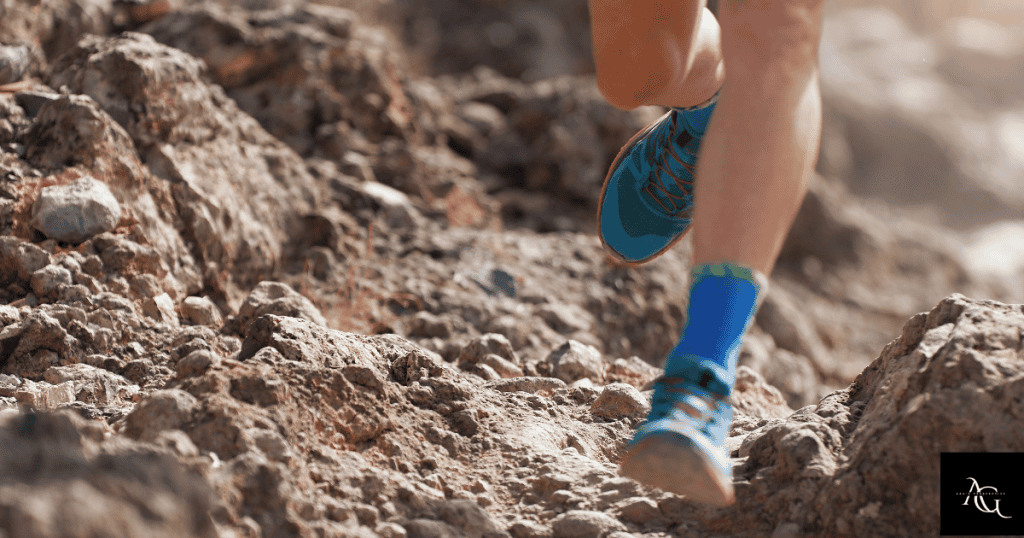
Terrain Suitability: Matching Shoes to Your Adventure Type
I wish someone had explained this to me earlier—the “best” shoe completely depends on where you’re actually hiking. I spent way too long trying to find one perfect pair that would work everywhere, and spoiler alert, that shoe doesn’t exist.
Well-maintained trails are where trail running shoes absolutely shine. I’m talking about your provincial park paths, groomed nature trails, and popular hiking routes with decent footing. The lighter weight and flexibility of trail runners make these hikes feel effortless. You don’t need aggressive traction or heavy-duty protection when the trail surface is predictable and relatively smooth.
Technical mountain terrain is a completely different story. When I’m scrambling over boulder fields or navigating loose scree on steep slopes, I want the stability and protection of hiking shoes. The stiffer sole helps with edging on rock, and the extra ankle support becomes valuable when you’re constantly placing your feet at weird angles. Trail runners can handle technical stuff, but your feet and legs work a lot harder.
Here’s my terrain breakdown:
Trail Runners Work Best For:
- Groomed and well-maintained paths
- Hard-packed dirt trails
- Moderate elevation changes
- Dry, predictable conditions
- Fast-paced day hikes under 20km
Hiking Shoes Are Better For:
- Rocky and unstable terrain
- Steep ascents and descents
- Off-trail scrambling
- Carrying heavier packs
- Multi-day backpacking trips
Desert hiking taught me another lesson. I used to wear my waterproof hiking shoes in hot, dry conditions because they felt more protective. Big mistake. The lack of breathability made my feet miserable. Now I always choose non-waterproof trail runners for desert environments, and I accept that sand will get in. It’s way better than overheated feet.
Muddy trails are honestly terrible in both types of shoes, but hiking shoes with deep lugs at least give you a fighting chance. I’ve slipped plenty of times in trail runners on slick, muddy descents. Snow and winter conditions definitely require more substantial footwear—trail runners just don’t provide enough insulation or weather protection when temperatures drop below freezing.
The terrain you hike most often should guide your primary shoe choice. If 90% of your hikes are on nice trails, don’t torture yourself with heavy hiking shoes just because you might occasionally encounter rough terrain.
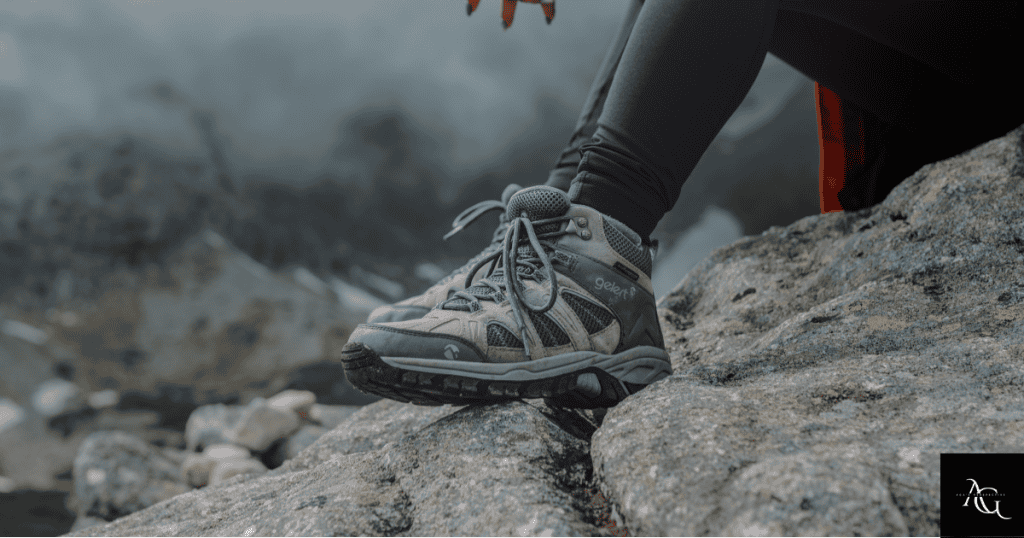
Pack Weight and Load-Bearing: The Forgotten Factor
This is honestly one of the most overlooked factors when people are choosing between trail runners and hiking shoes. I learned this lesson on a backpacking trip when I decided to wear my lightweight trail runners with a 18kg pack. By the end of day one, my feet were absolutely killing me and I could feel every single rock through the sole.
There’s an old rule of thumb in the hiking world that says one pound on your feet equals five pounds on your back in terms of energy cost. But here’s what nobody talks about—that rule assumes you’re not already carrying weight on your back. When you add a heavy pack into the equation, the support and cushioning in your footwear becomes way more important than saving a few hundred grams.
I’ve found that around 9kg is my personal threshold. If my pack is under 9 kilograms, I’m perfectly comfortable in trail runners for the entire day. Once I cross that 10 to 12kg mark, especially on rough terrain, I really start to appreciate the extra support and stiffer sole of hiking shoes. Your threshold might be different depending on your body weight, fitness level, and foot strength.
How pack weight changes your footwear needs:
Lightweight Packing (Under 9kg):
- Trail runners handle the load easily
- Foot fatigue is minimal
- Speed and agility aren’t compromised
- Great for fast-and-light adventures
Medium Loads (9-14kg):
- This is the gray area where either can work
- Depends on terrain and your personal preference
- I usually go with hiking shoes for multi-day trips
- Extra stability becomes noticeable
Heavy Packs (Over 14kg):
- Hiking shoes are almost always the better choice
- Your feet need that platform stability
- Cushioning compresses less under sustained weight
- Ankle support helps prevent rolling under load
Load distribution is something I didn’t understand until I talked to a physiotherapist friend. When you’re carrying weight, your center of gravity shifts and your feet have to work harder to stabilize with every step. A stiffer, more supportive shoe helps manage that extra demand on your feet and ankles.
Price Comparison and Value: Investing in the Right Footwear
Let’s talk money, because I’ve definitely made some expensive mistakes in this department. My first instinct was always to buy the cheapest option, thinking shoes are just shoes. Then I’d end up replacing them twice as often and spending more in the long run. It took me a while to figure out the actual value equation.
Trail running shoes typically start around $100 to $140 for entry-level models from decent brands. Mid-range options sit in that $140 to $200 sweet spot, and premium performance shoes can push $200 to $280. Hiking shoes follow a similar pattern but tend to run slightly higher—expect to pay $130 to $180 for entry-level, $180 to $220 for mid-range, and $220 to $300 for top-tier models.
What you get at different price points:
Entry-Level ($100-$140):
- Basic cushioning and support
- Standard rubber compounds
- Limited durability (300-400km typically)
- Good for occasional hikers or beginners
Mid-Range ($140-$200):
- Better materials and construction
- Improved cushioning technology
- Decent durability (500-700km)
- Best value for regular hikers
Premium ($200+):
- Advanced cushioning systems
- High-quality Vibram or Continental rubber
- Longer lifespan (600-900km)
- Specialized features for specific terrain
The mid-range is honestly where most people should focus. You’re getting significantly better quality than budget options without paying for marginal improvements that only serious athletes would notice. My go-to trail runners cost around $170, and they’ve consistently given me 600 kilometers before I need to replace them.
Sales and timing can save you serious cash. I always wait for last year’s models to go on clearance when the new versions release. You can often find $180 shoes marked down to $110 or $120, and the changes between model years are usually pretty minimal. End-of-season sales in fall and spring are prime hunting time.
One more thing about cost-benefit analysis—think about how often you’ll actually use these shoes. If you’re hiking every weekend, spending $200 on quality footwear that lasts two years is totally reasonable. If you hike once a month? Maybe that $130 mid-range option makes more sense.
Popular Models Compared: Trail Runners vs. Hiking Shoes Head-to-Head
Okay, so I’ve tested a bunch of different models over the years, and I want to share what actually works versus what just looks good on the store shelf. Brand reputation matters, but it’s not everything—I’ve had expensive disappointments and budget surprises.
Trail Runners Worth Considering:
- Salomon Speedcross: Best for muddy, technical terrain
- Hoka Speedgoat: Superior cushioning for long distances
- Altra Lone Peak: Wide toe box, natural foot position
- La Sportiva Bushido: Precise fit for technical scrambling
On the hiking shoe side, the Salomon X Ultra series is basically the standard that everyone compares against. They’re stable, grippy, and reasonably priced around $180. I wore the X Ultra 4 for an entire summer and put over 600 kilometers on them with minimal wear. The Merrell Moab has been around forever for good reason—they’re comfortable right out of the box and work for most people’s feet. Not the most exciting shoe, but reliable.
La Sportiva makes the TX4 approach shoe, which is technically a hybrid between hiking and climbing footwear. These are amazing if you’re doing scrambles or need precise foot placement on rock. They’re stiffer and less cushioned than typical hiking shoes, so they’re not great for long, easy trails.
Hiking Shoes to Look At:
- Salomon X Ultra: All-around performer, great traction
- Merrell Moab: Comfortable, affordable, widely available
- La Sportiva TX4: Technical terrain specialist
- Keen Targhee: Roomy fit, very durable construction
Brand loyalty is a real thing in the outdoor world. Salomon tends to run narrow, which works great for my feet but drives some people crazy. Altra is always going to be wide. Hoka maximizes cushioning. Understanding these brand characteristics helps you narrow down options faster.
User reviews are helpful but take them with some perspective. Someone complaining that a shoe “wore out after only 400 kilometers” might actually be describing normal lifespan for that model. And terrain matters—shoes last way longer on soft trails than rocky, abrasive terrain.
Making Your Decision: A Practical Selection Guide
Alright, we’ve covered a ton of information, and I know it can feel overwhelming when you’re actually standing in the store trying to decide. Let me break this down into a practical framework that’s helped me and dozens of friends figure out what shoes make sense for their specific situations.
Start by honestly assessing your hiking style. Are you the type who covers 15 to 20 kilometers quickly on weekends, or do you prefer slower-paced 8 kilometer nature walks? Do you hike once a month or three times a week? I spent years buying shoes based on what I thought I should be doing instead of what I actually do, and it was a waste of money every time.
Quick Assessment Questions:
Your Typical Hike:
- Distance: Under 10km, 10-20km, or over 20km?
- Terrain: Groomed trails, moderate roots and rocks, or technical scrambling?
- Pack weight: Day pack under 7kg or overnight pack over 10kg?
- Frequency: Monthly, weekly, or multiple times per week?
Your Physical Factors:
- Do you have a history of ankle injuries or weak ankles?
- Are you carrying extra body weight that needs more cushioning?
- Do your feet tend to run hot and sweaty?
- Any existing foot problems like plantar fasciitis or flat feet?
Here’s my honest recommendation—if your answers lean toward lighter packs, well-maintained trails, and frequent hiking, go with trail runners. You’ll appreciate the comfort and efficiency. If you’re dealing with heavy packs, technical terrain, or ankle concerns, hiking shoes make more sense.
The “try both” approach is something I actually recommend if you can afford it. Buy a pair of mid-range trail runners and use them for a month. Pay attention to how your feet and ankles feel. Then try hiking shoes for comparison. You’ll learn more from direct experience than from reading any guide, including this one.
I actually own both types now, and I’m glad I do. My trail runners get used for probably 70% of my hikes—they’re my default choice. But when I’m planning a challenging backpacking trip or the terrain is particularly rough, I reach for my hiking shoes without hesitation. There’s no shame in having options.
One last thing—don’t let anyone shame you for your choice. I’ve met hikers who are weirdly judgmental about footwear, like wearing hiking boots somehow makes you less of a “real” hiker. That’s nonsense. Wear what works for your body and your adventures.
Conclusion
So, which should you choose in the great trail running vs hiking shoes debate? The answer isn’t one-size-fits-all, and that’s actually good news for your feet!
If you’re covering long distances quickly on well-maintained trails with a light pack, trail running shoes offer unbeatable agility, comfort, and efficiency. They’ll help you move faster, reduce fatigue, and keep your feet happy mile after mile.
On the other hand, if you’re tackling technical terrain with a heavy pack, dealing with unstable ankles, or prioritizing maximum durability and protection, hiking shoes provide the support and longevity you need.
Here’s my final advice: Don’t overthink it! Start with what matches your most common hiking scenario, and remember that many experienced outdoor enthusiasts own both types for different adventures. Your feet will tell you what works—listen to them, experiment with different options, and don’t be afraid to switch things up based on the trail ahead.
Ready to make your choice? Head to your local outdoor retailer and try on multiple options from both categories. Walk around the store, test them on incline ramps, and pay attention to how your feet feel. The perfect shoe is the one that disappears on your feet and lets you focus on the incredible trails ahead of you. Now get out there and hit the trail—your next adventure is waiting!